

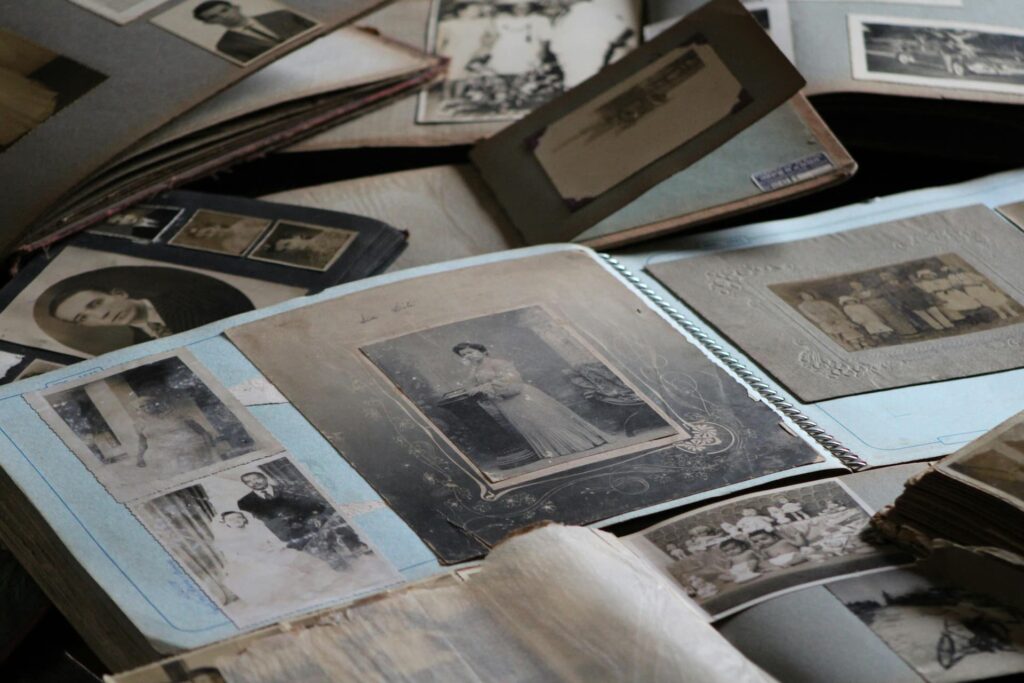
More and more people are now getting interested in conducting a family history search. After all, current tools make it much easier and are more effective than the old methods people used some twenty years ago. But let’s get right into the main topic: family history. Needless to say, many of those who research their family tree want to know where their relatives came from, understand social history, and simply resolve unanswered family questions. Thankfully, it’s all possible these days.
Did you also know that 70% of Americans, according to an Ipsos poll, think that it’s essential to know family history? However, despite this, only 33% have conducted online genealogy research.
Imagine how exciting it is to know where your great-grandmother came from or what your great-uncle did for a living. While it’s not too easy to find out, it’s still possible with the current resources, with some being completely free.
So, are you curious to know what your ancestors were up to? Read the tips in this blog post.
Ways to Conduct a Family History Search
Below you’ll discover family history search options and find answers to your ancestry questions.
Start with the Things You Already Know
If you have any historical documents, such as death certificates, marriage documents, or something of this kind at your place, go through them to trace any important information. In documents of this kind, you’ll likely find your relatives’ full names, birth and death dates, and locations where they lived.
The time period during which your ancestors lived can help you learn more about their lifestyle. For instance, if your great-grandmother lived from 1930 to 2000, that means she lived during the Great Depression, the World War II, and the Cold War, which gives you an idea of what her life was like.
Ask Your Family Members for Help
Being independent in your family search won’t get you far. Your relatives, such as a grandmother, a grandfather, or even your parents, may know more than you think they do. If you think there are relatives you don’t know about who could help you out in your research, use Native American Netroots, a people search site that gets its information from public records. There, you can find your relatives, their phone numbers, emails, addresses, and other additional information.
Ask them about migrations, occupations, and any family stories to document the most essential facts. They may also give you photographs, letters, or any documents that will connect you to the truth.
For example, knowing where your ancestors worked can give away much about their lives. Again, let’s take the example of the great-grandmother who lived from 1930 to 2000. She could work as a secretary, telephone operator, nurse or teacher, or she could hold a government job, be a factory worker, or even be a housewife. Depending on the role she had, you’ll find it easier to figure out her approximate pay and the lifestyle she could afford.
Use Historical Records
This is where a serious genealogical search begins. By using historical records, we mean checking census records, birth, marriage, and death certificates, church registries, military records, or land ownership documents. Parish registers are also valuable sources for this kind of information.
These records can reveal a lot of details about your relatives, including their marital status, date and cause of death, number of children, religious affiliation, and whether they served in the armed forces, among other things.
But where does one access these records? National archives, state and county offices, churches, historical newspapers, and libraries are some of the examples. Some of them may have online records depending on the state and county where you live.
Make a Working Hypothesis
After having searched multiple resources, family historians recommend collecting all the information in one place. For example:
Morgan Elizabeth was born in Chicago, Illinois, in 1930. Her parents were Robert Elizabeth and Mary Elizabeth. In 1950, Morgan got married to a man named Edward Griffiths. They had 3 children together. In 1965, they moved to Los Angeles, California, where Morgan worked as a nurse and Edward worked in the government. Morgan died in 1995, while Edward died in 2000.
This working hypothesis will help you organize the information chronologically.
Let’s Recap
Millions of people wish they could get closer to their family history. It’s a connection between the past and present, a story that unites people who are here and those who have long left. While this process may take time, it’s eventually worth it. Who wouldn’t want to know the details about their relatives and the events that happened in their lives?
A collection of online and offline tools can help you in this process. For a more effective search, collaborate with your family members to get the material you may not know about.